

Indigo Dyed Textiles
Dip, Breathe. Repeat.
Shibori is a family of Japanese resist dyeing techniques. Cloth is folded, bound, clamped, or wrapped so the dye doesn’t reach certain places. The pattern appears when it's opened. These samples include arashi (wrapped around a pole), itajime (folded and clamped), and kanoko (bound), along with katazome, which uses a rice paste resist through a hand-cut stencil of my design.
Some of these pieces were made in workshops and others in my studio indigo vat. I'm always learning. The possibilities are layered: the size of the folds, how much cloth is left undyed, how many times it goes into the vat. The darkest blues take 10 to 12 dips, with 15 to 30 minutes of oxidation between each one, as the dye turns from green to blue when exposed to oxygen. Techniques can also be combined, like the piece dyed on the pole and then clamped to reference a rising moon.
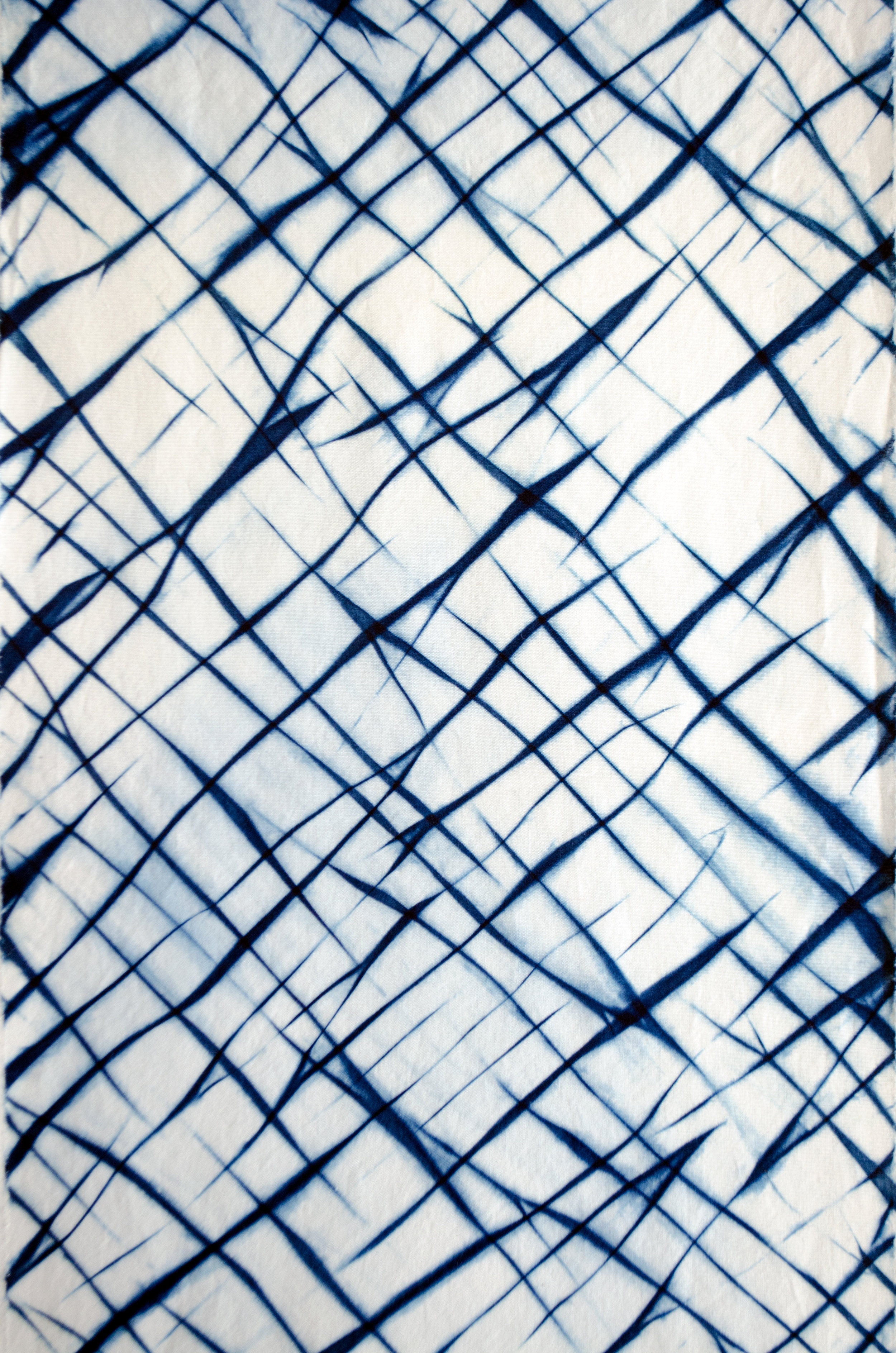
Arashi shibori on cotton, where the dye reached only the folds and left crisp crossing lines.
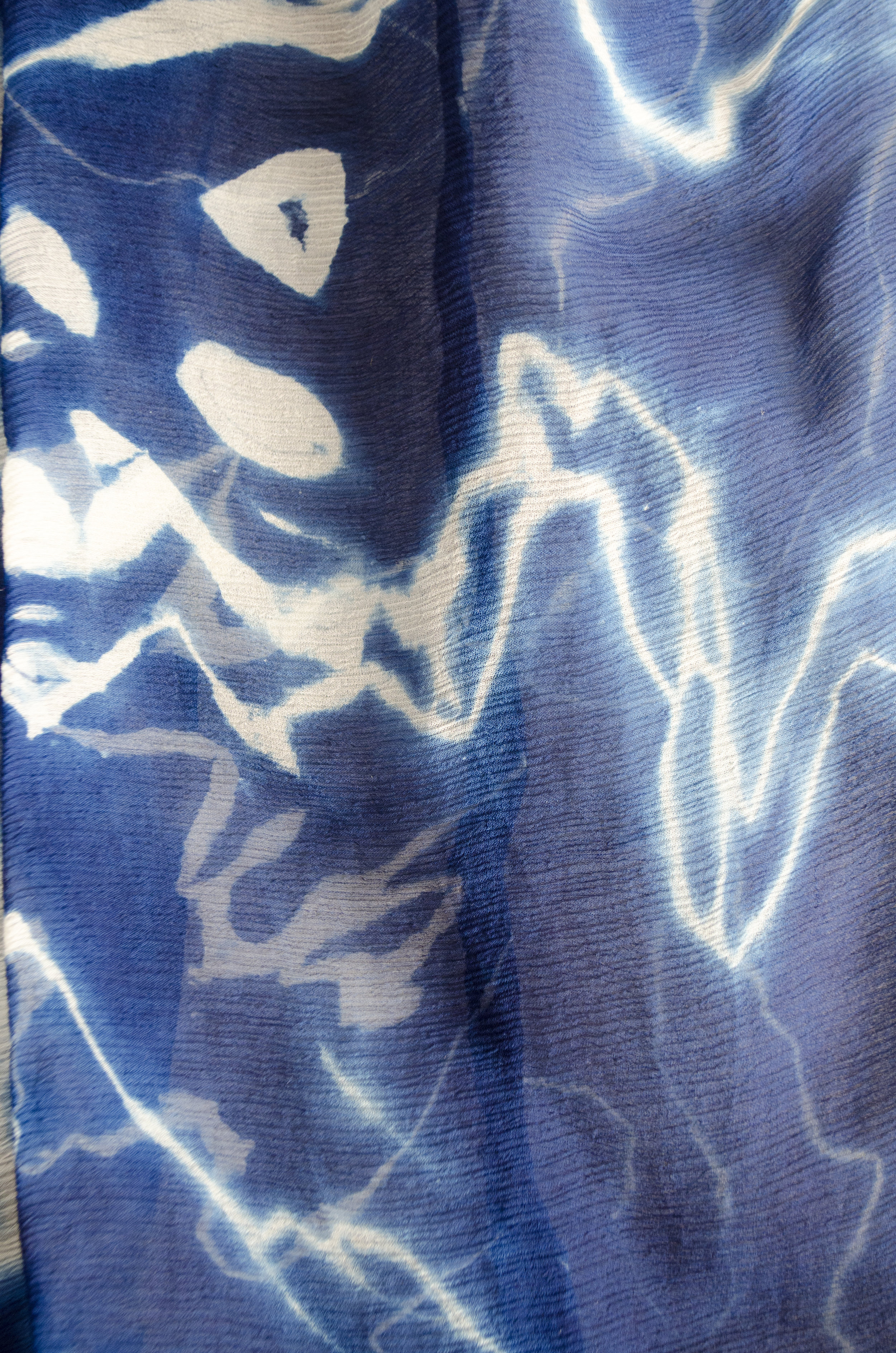
Arashi on a silk scarf. The word means "storm," and the lines run like lightning.
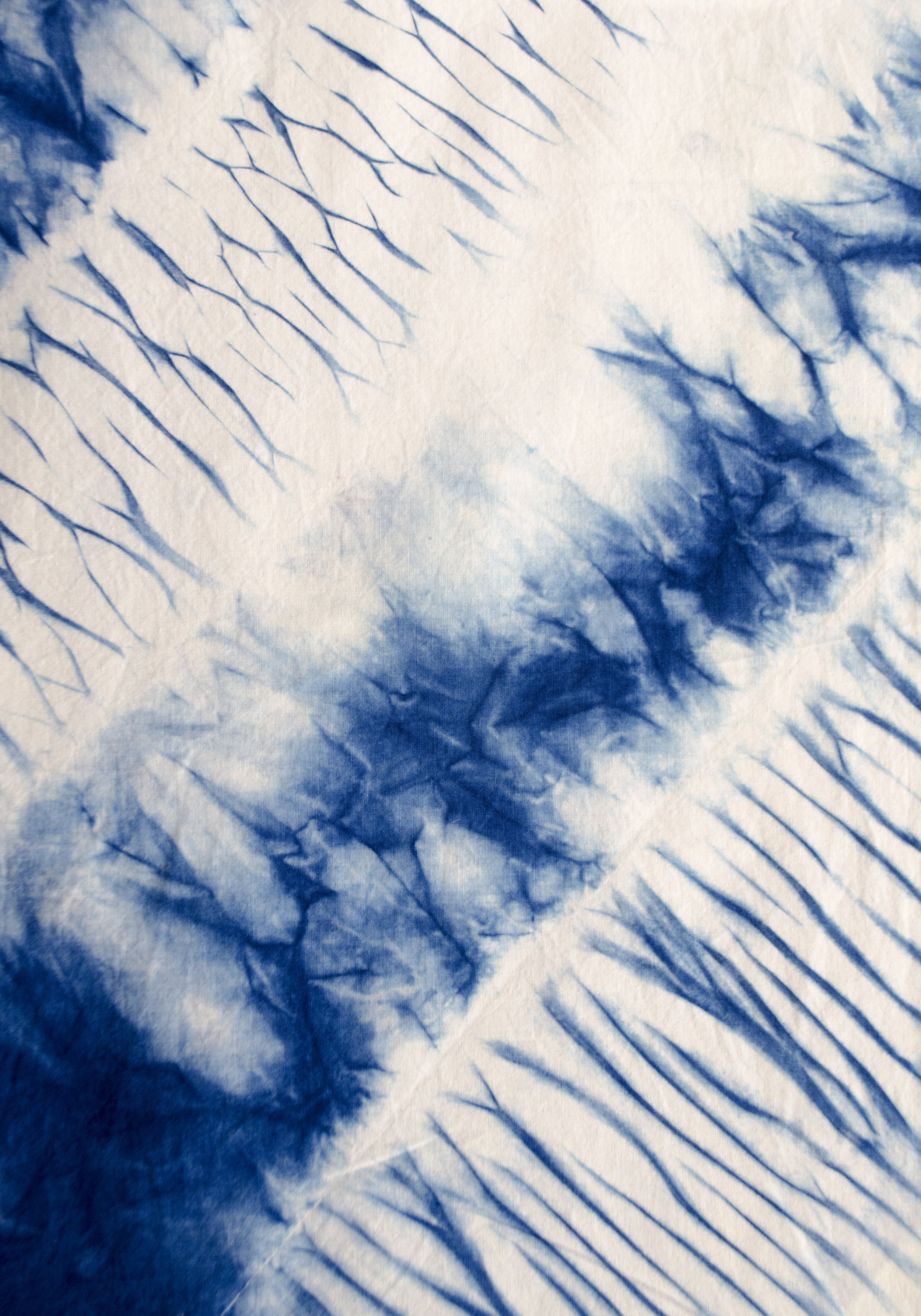
Arashi shibori worked in the indigo vat, a soft diagonal band of blue with feathered edges.
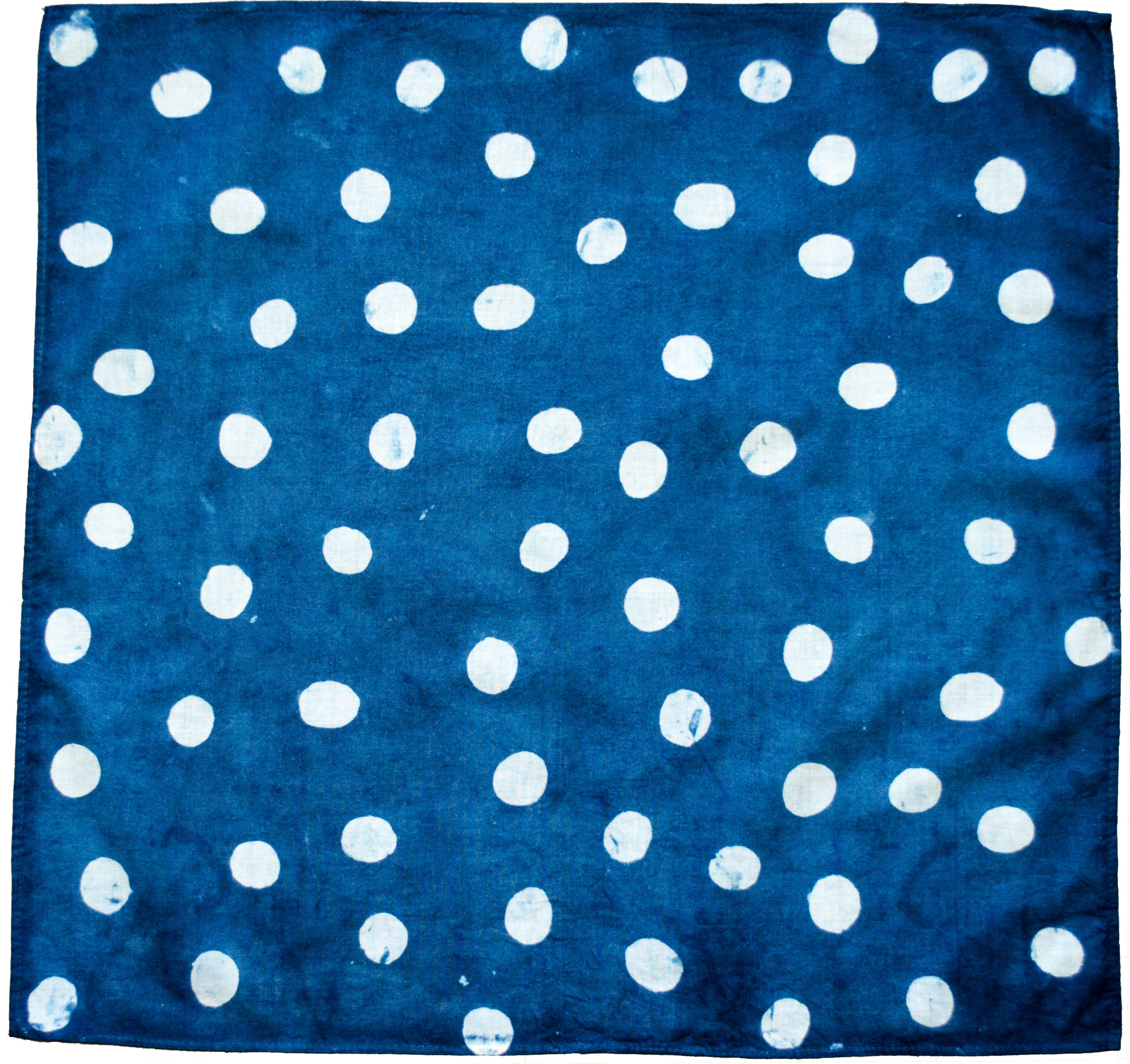
Katazome: dots of rice resist paste, then multiple dips in the indigo vat to get this deep color.
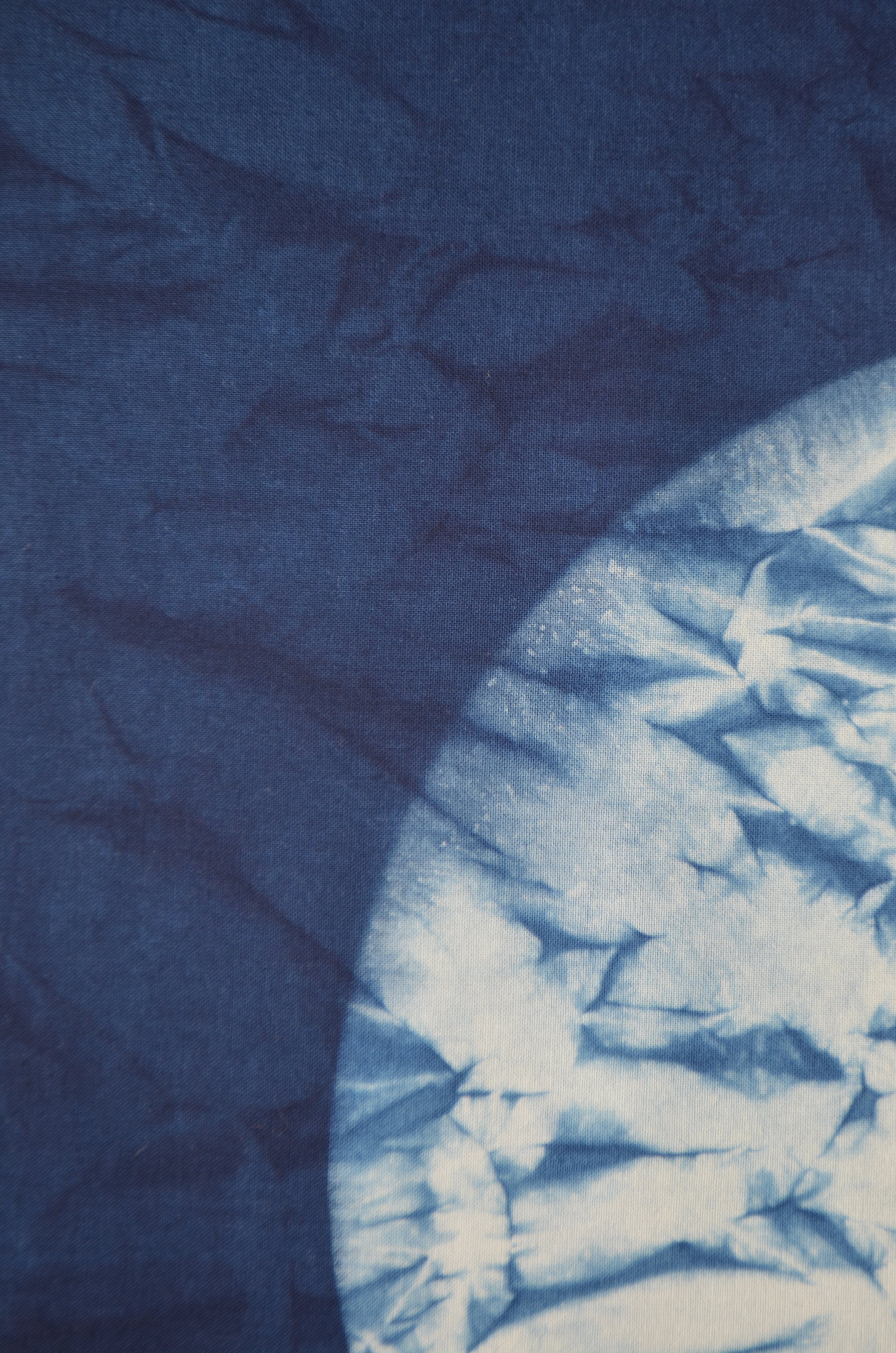
Arashi and itajime in indigo: dyed first on the pole, then clamped and dipped again and again to evoke a full moon rising.
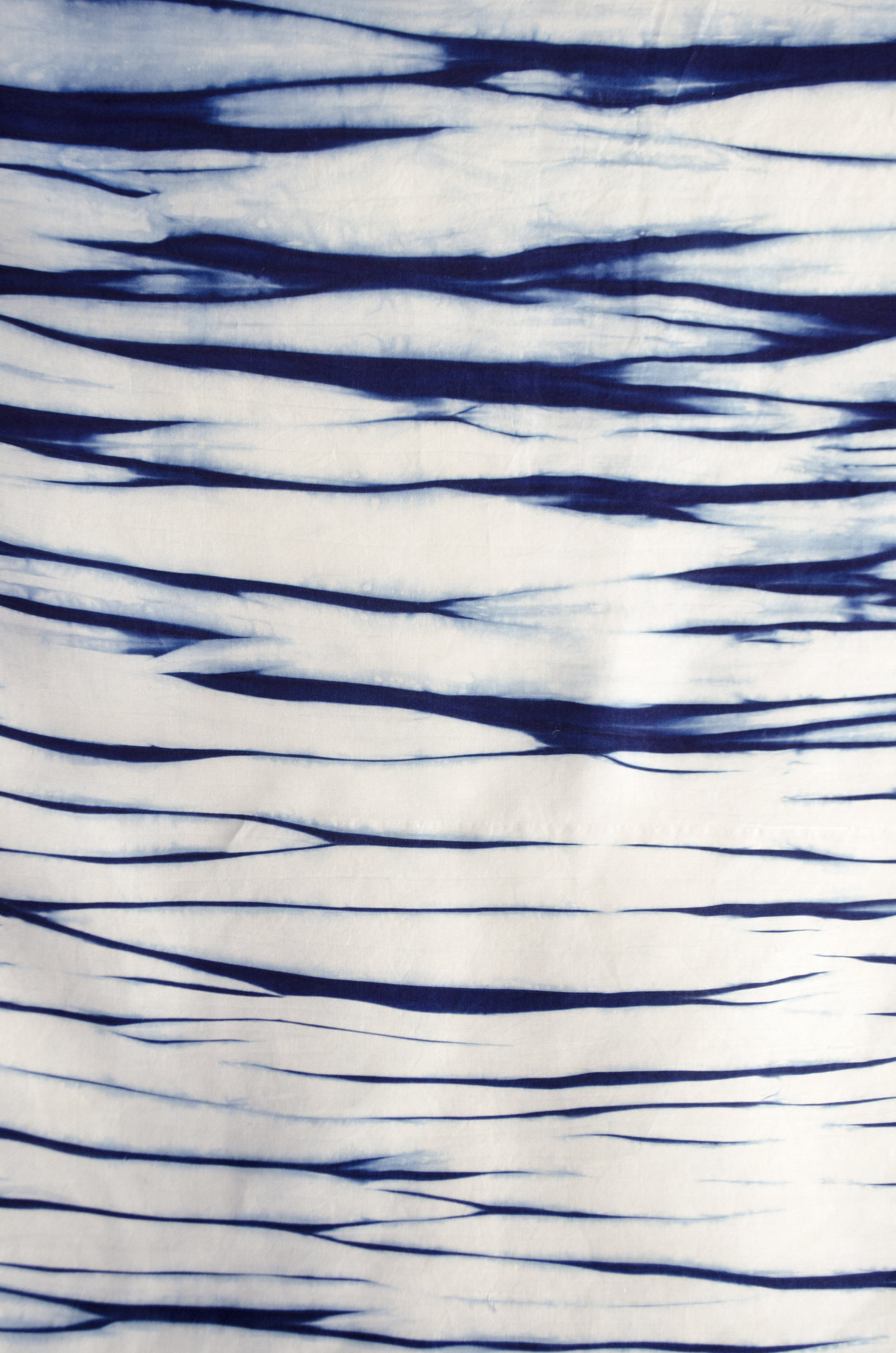
A vintage linen tablecloth, given a second life with long horizontal streaks of arashi shibori.
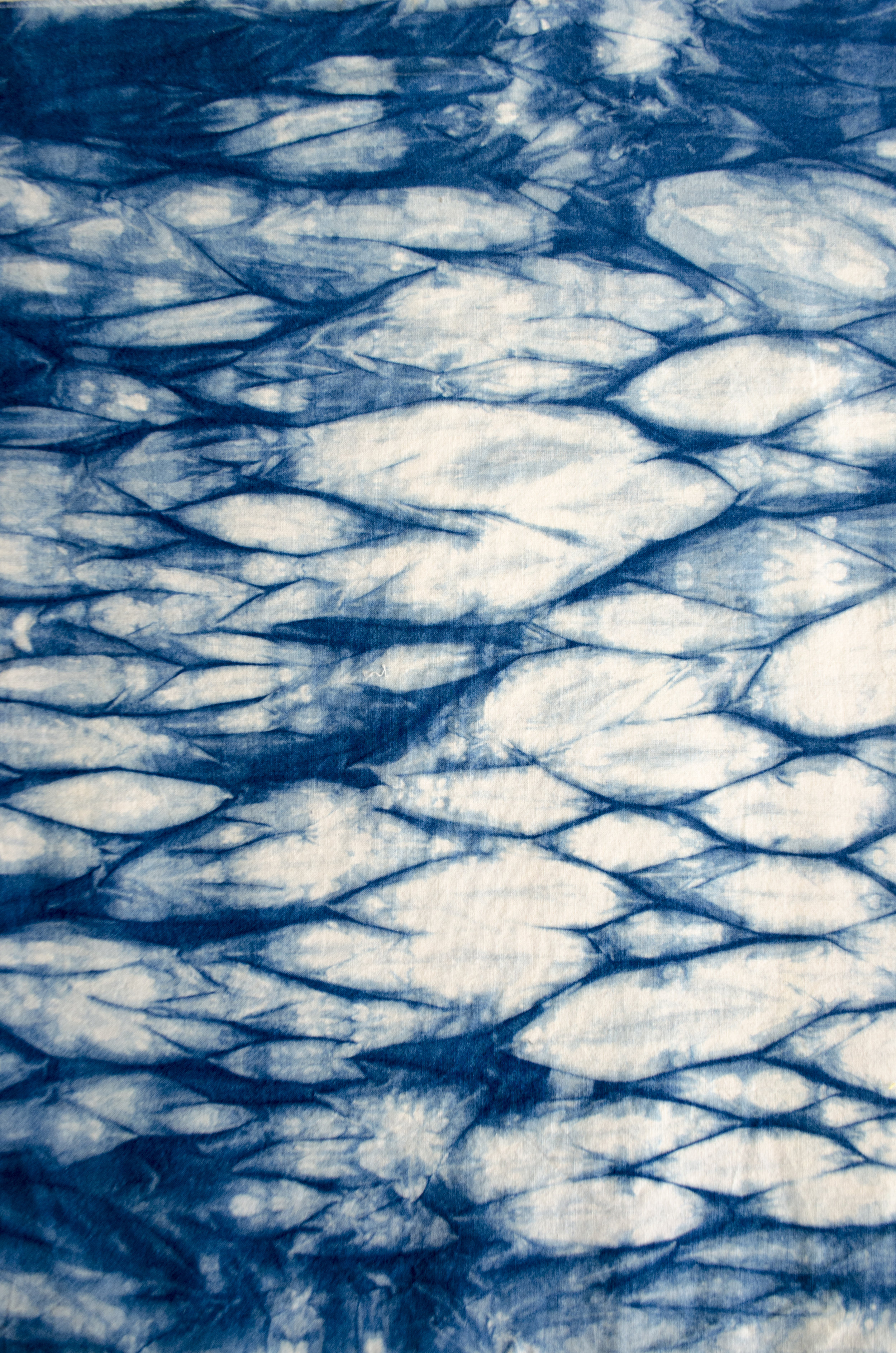
Arashi shibori: the cloth is compressed on the pole, and the blue pools into leaf-shaped cells.
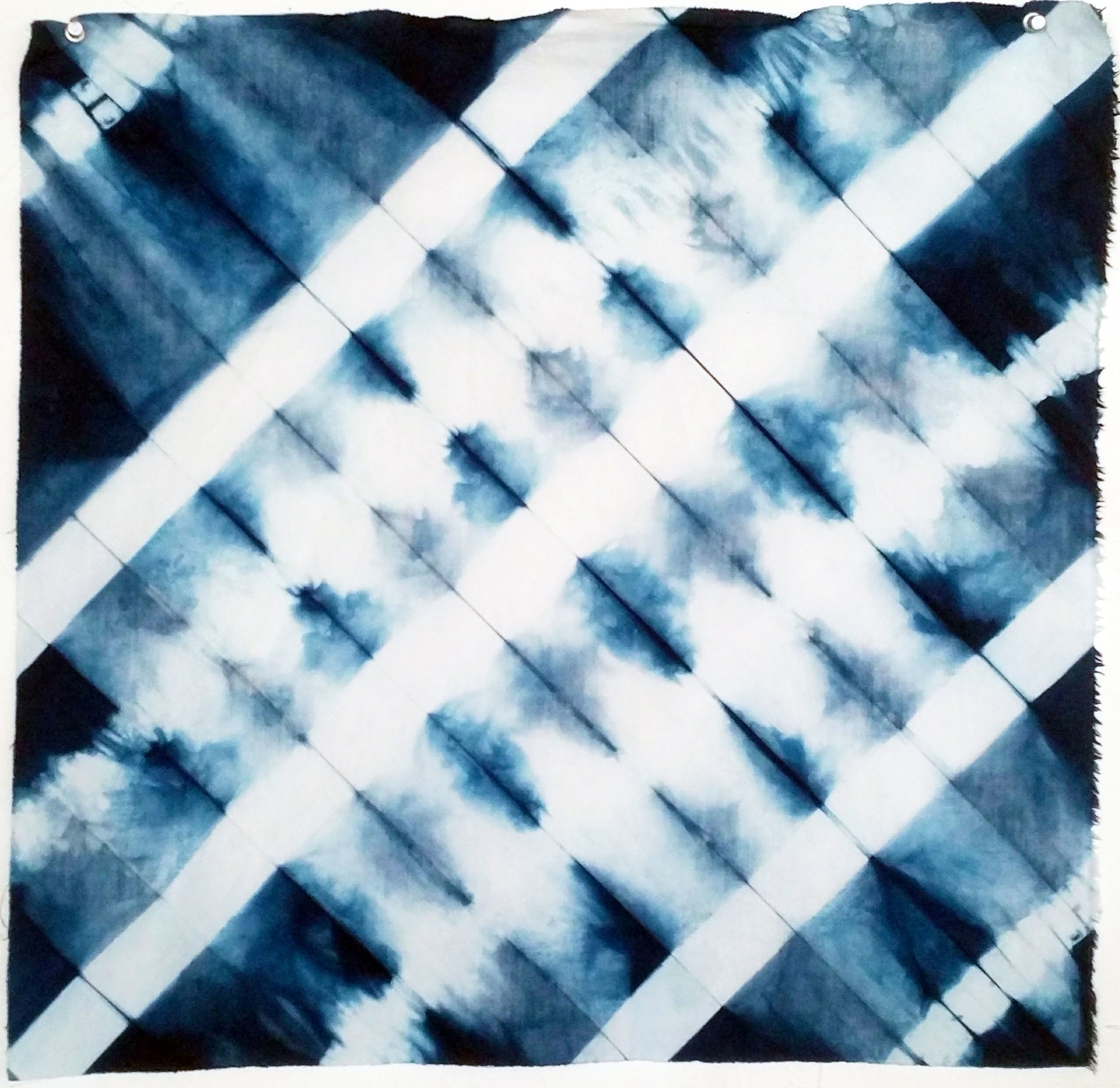
Itajime on cotton: folded, clamped, and dipped, leaving a bright plaid where the dye couldn't reach
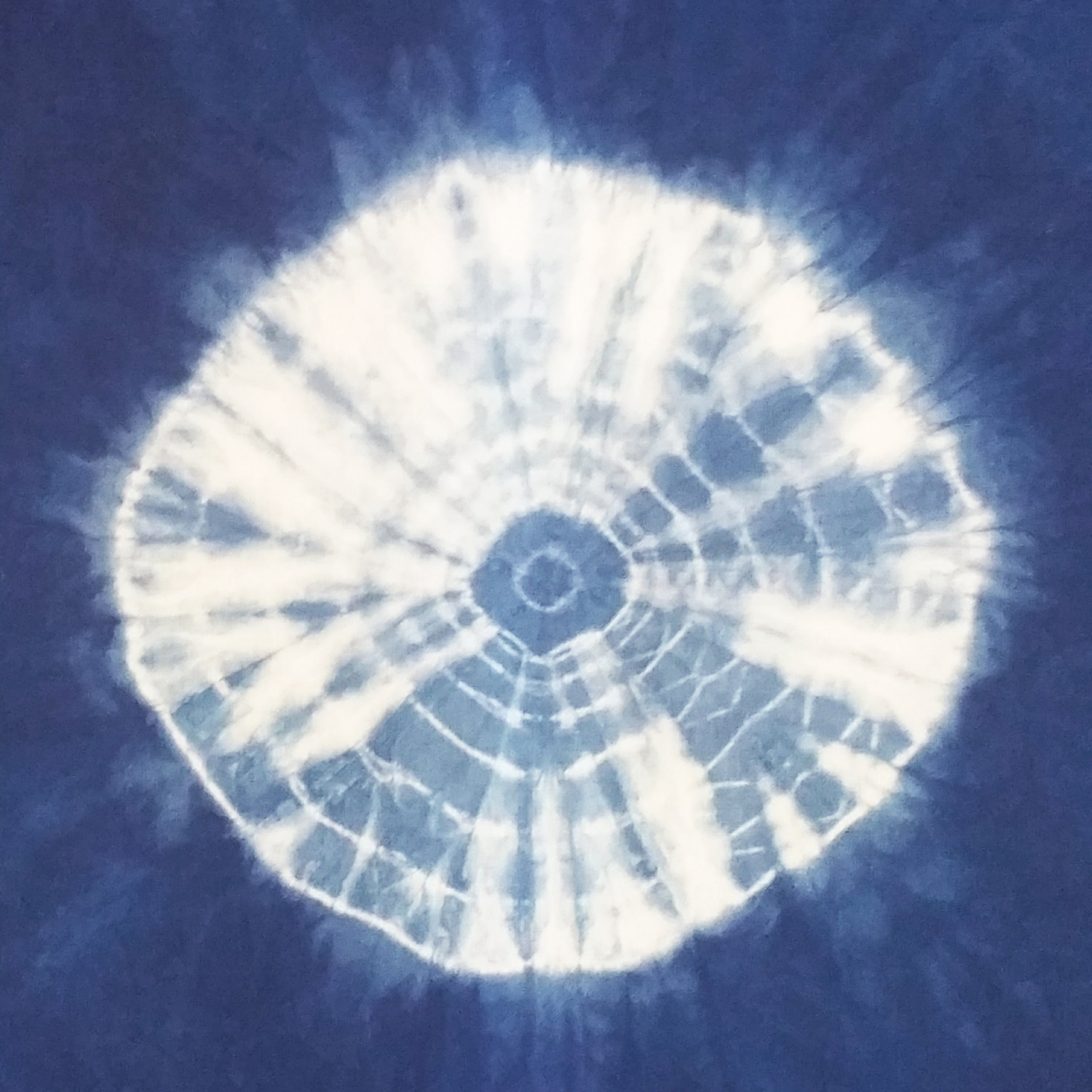
Kanoko shibori: bound tight, then dipped, with a pale burst ringing a dark center.
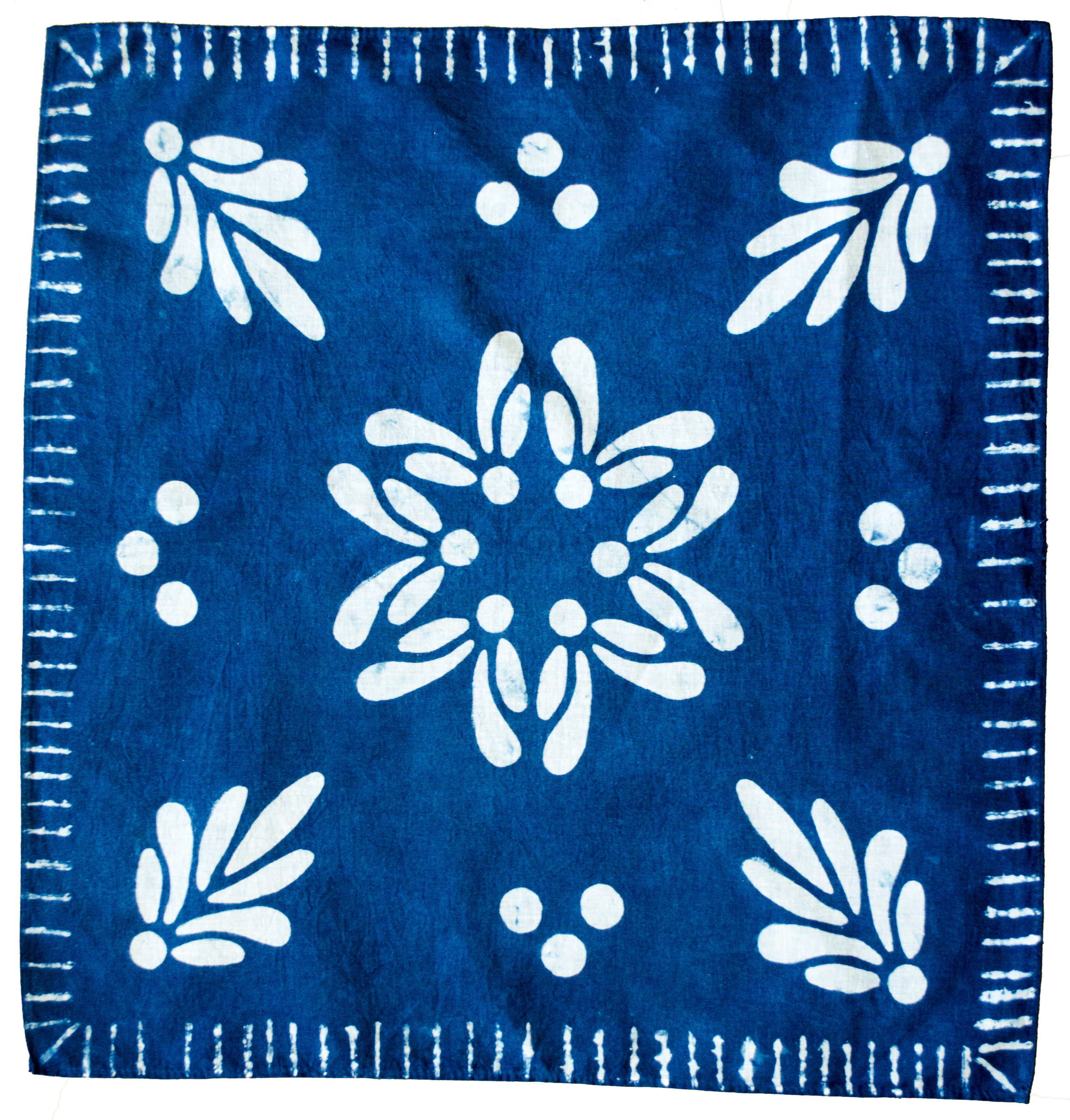
Katazome in indigo: a floral pattern stenciled in resist paste, with hand-painted lines of resist along the edges.
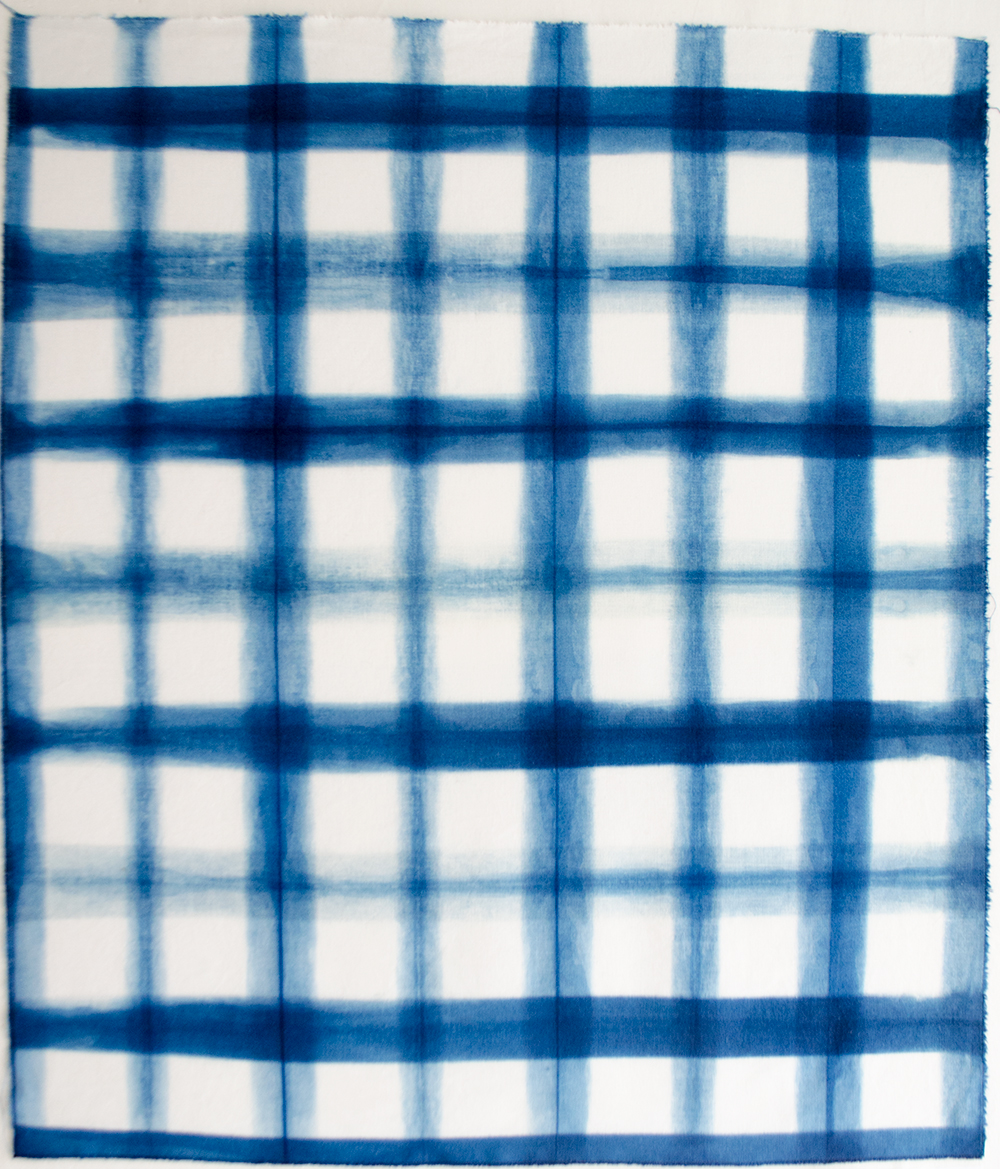
Itajime plaid: a grid of folds, clamped and dipped.
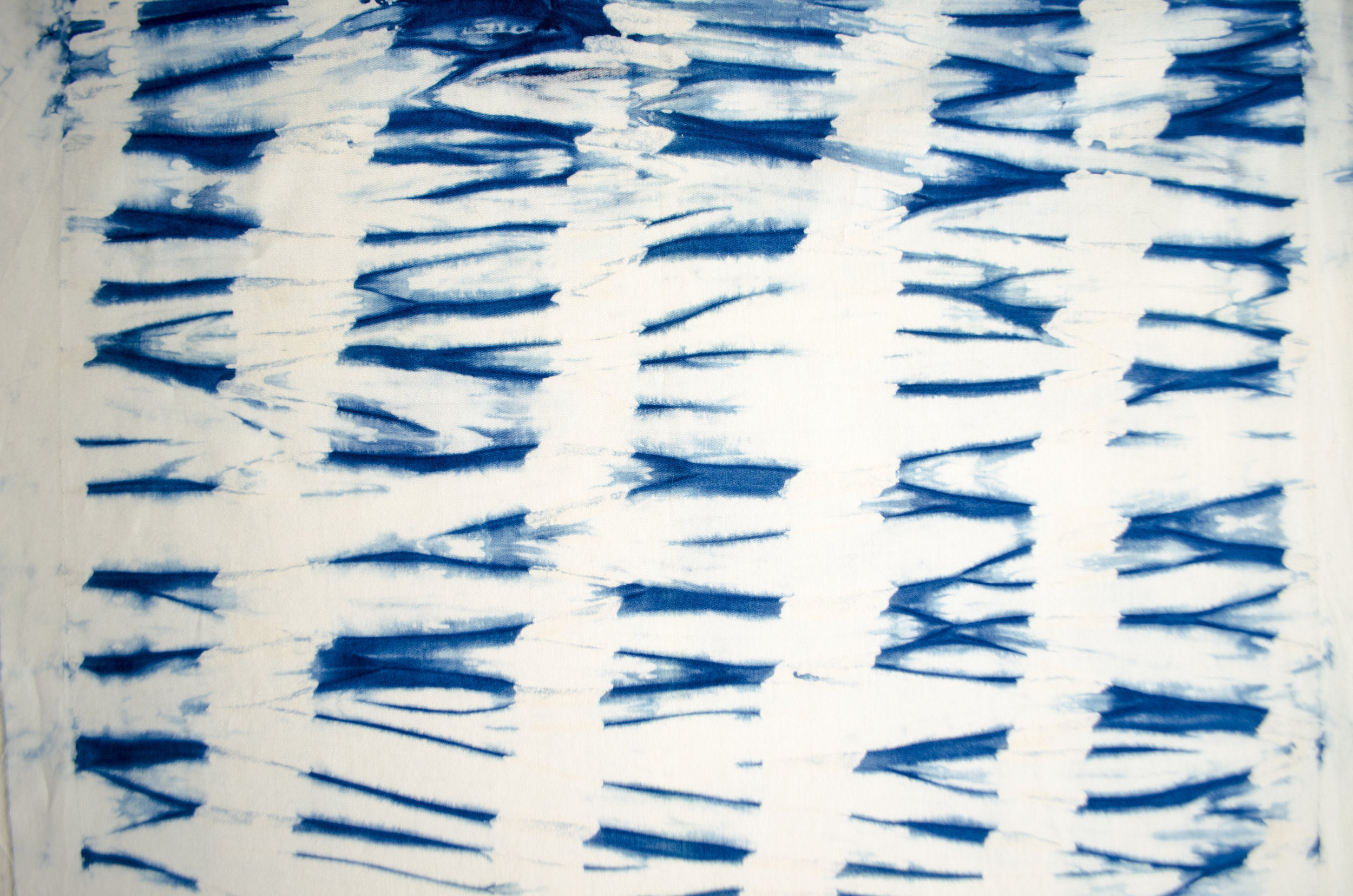
Arashi on cotton, with rows of small, quick marks reminiscent of stitches.